WHAT CRITERIA SHOULD BE FOLLOWED TO FORM A JUDGING PANEL?
Does the panel necessarily need to be made up of former professional athletes?
There is no doubt that you need to be an expert in both the discipline and the work field. It is crucial to understand that some manoeuvres are far more challenging than others. The difficulty depends entirely on the spot, whether it is cold or hot, or whether there is a strong current.
A judge who has true confidence is someone who knows when to raise the score and, conversely, when to lower it. At the end of the day, what matters most in any round is awarding the rightful winner. To achieve this, you often need to make very clear distinctions between what is simply “good” and what is poor execution.
The Head Judge must be a leader. Someone who remains humble, but at the same time is capable of being at the absolute top while managing criticism from below, without ever losing their composure. Losing your cool in a high stress situation can lead to mistakes. In milliseconds, you can erase all the hard work and preparation that goes into running a major event.
Arriving at an event, whether as an athlete or a judge, is like taking a massive exam. Events are won through intense training during the off season. In the same way, for a judge, success is earned months before the competition through exhaustive preparation.
It starts with a meeting with the Athletes’ Committee to review any adjustments to the rules or the list of approved tricks. After that meeting, the guidelines are established in the race notice, and the Head Judge starts instructing the entire team so everyone can prepare, especially mentally, for the big day.
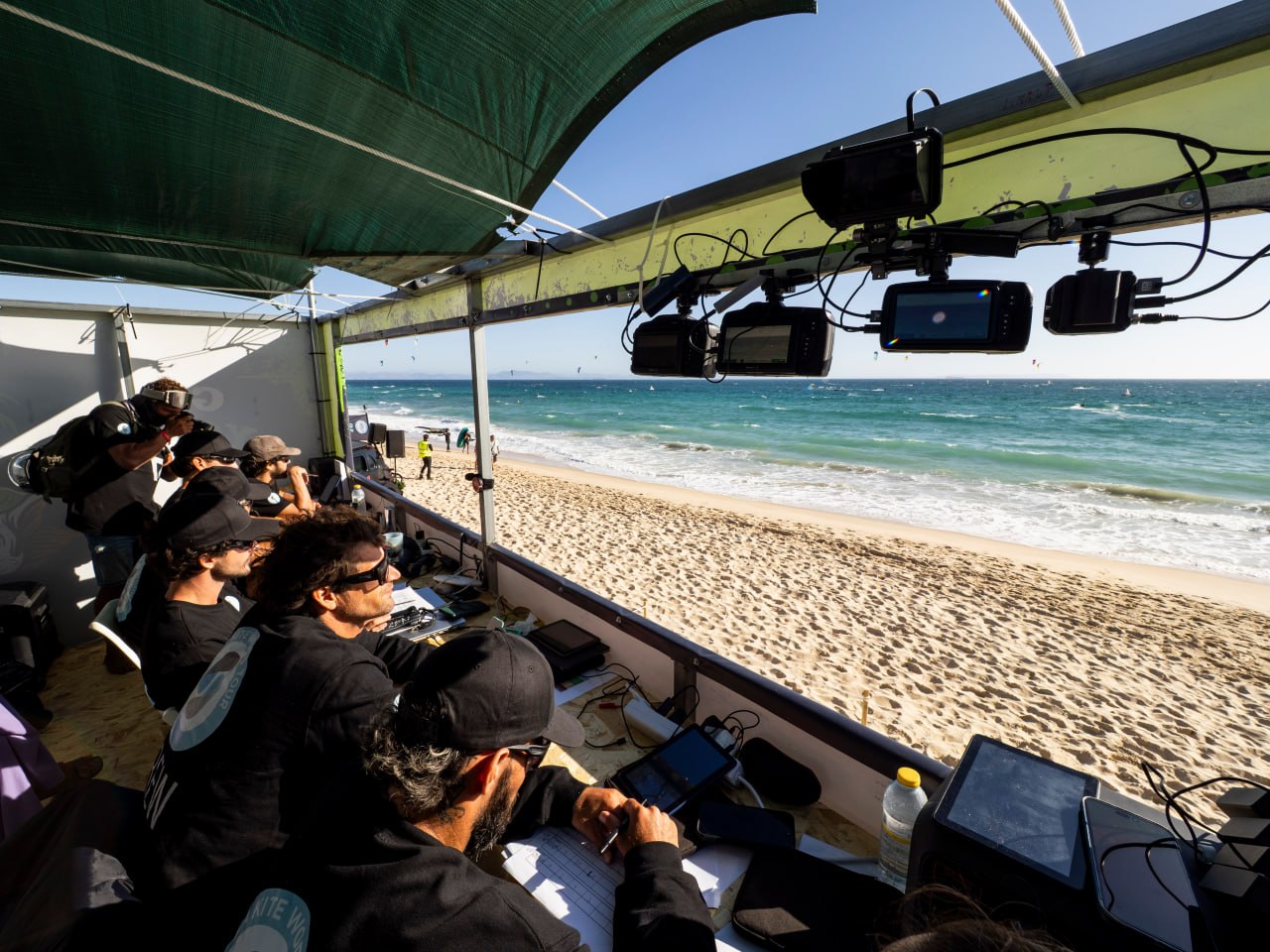
Beyond simply being an expert in the sport itself, you need to be a seasoned professional in the field. This kind of experience only comes with years of work. Knowing how to handle protests, understanding what is allowed and what is not, knowing how to react if a manoeuvre or jump fails, how to manage accidents, which discipline needs priority when there is barely enough time to finish, or, in many cases, when you have to sacrifice an entire discipline.
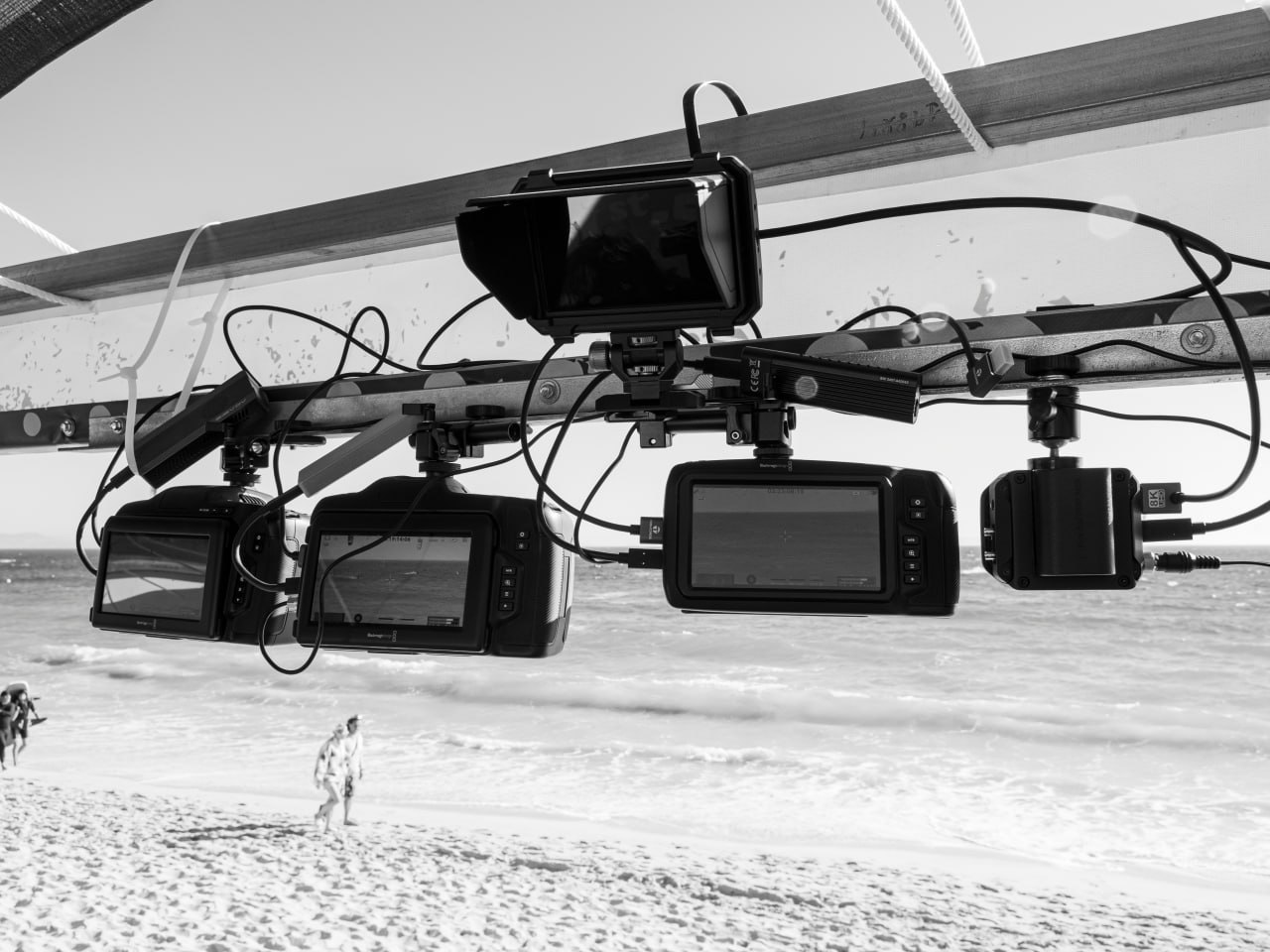
With the proliferation of technology, sensors are now being integrated into the sport. Velocimeters can be used to measure height, jump distance or G forces upon landing. Undoubtedly, this telemetry will become increasingly accurate and will allow for a greater level of supervision over the judges themselves.
For now, these tools are still an aid, but the Direct Referring Judge always has the final authority.
The replay system is also essential. It allows us to look back and analyse a wave or a jump. Often, especially when multiple heats are happening at the same time, there can be two athletes jumping simultaneously.
Unlike in surfing, our sport moves incredibly fast. There is very little space between one action and the next. Judges need to be extremely quick and highly trained to process all this information fairly and enter the data into tablets without losing sight of the bigger picture.
It is undoubtedly a very stressful job, but it gives you invaluable skills for every other area of life. The kind of reaction you develop under intense pressure, when in milliseconds your own career or someone else’s future can be at stake, is unmatched.
Unlike in the early days of kiteboarding, when judging was based mainly on knowledge and technology that was far removed from today’s standards, this is a job that should never be taken for granted.
In this role, if you are unprepared for even a single day, you are effectively out. Just like an athlete.
After my last eight years as a judge and six years as Head Judge, I feel incredibly grateful to serve this sport. Today, I am very satisfied with my work. It has allowed me to meet impressive people all over the world, and I continue to learn from them every day.
Álvaro Onieva
Go back